How We Put a Local Airport on the Super Bowl
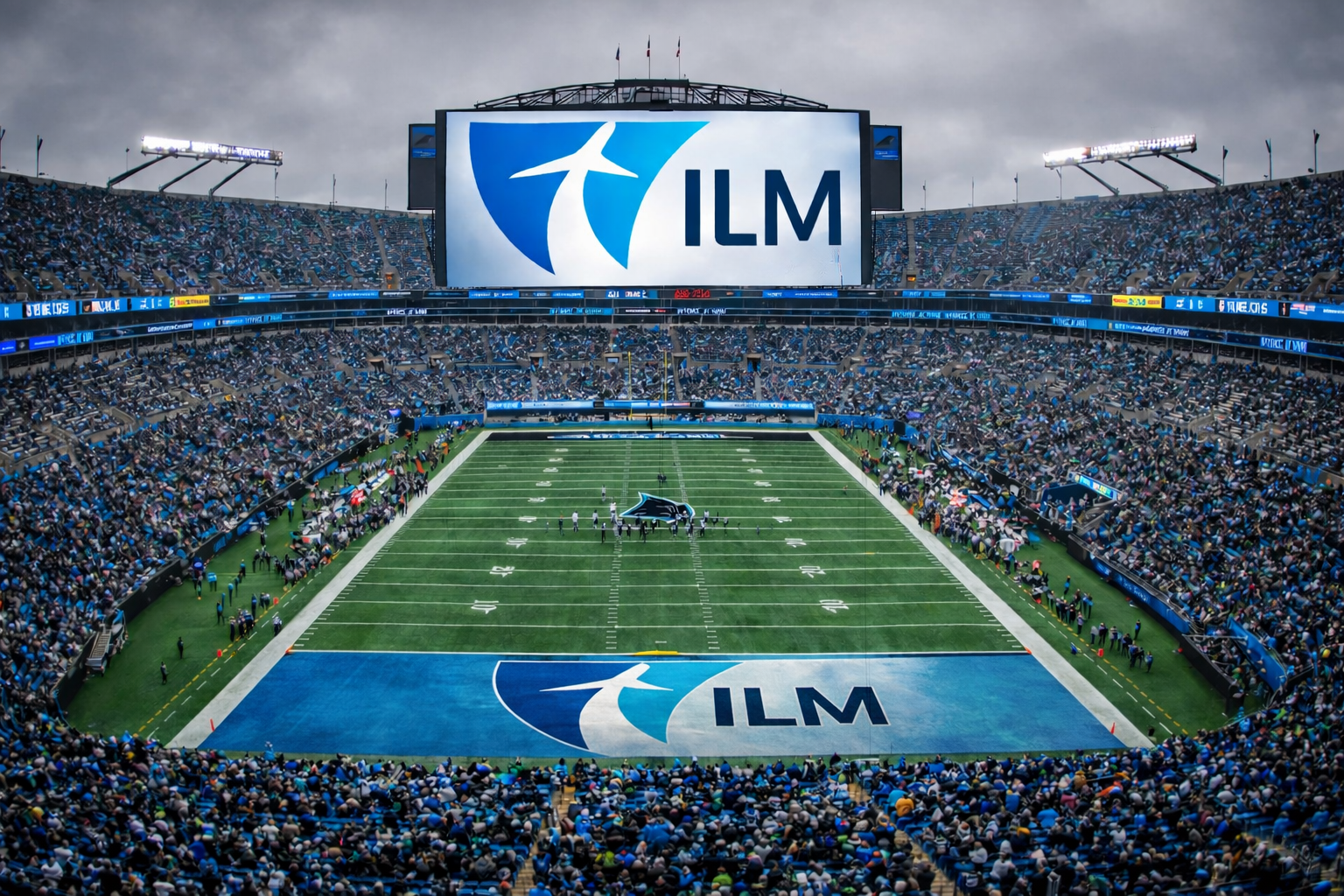
We did not set out to make a Super Bowl commercial.
We set out to see if we could make something that felt like one, on a budget that had no business being anywhere near the big game.
At Hendy Street Produxions, we have been working with Wilmington International Airport (ILM) for a while. Our previous campaigns generated more than 500,000 organic video views and millions of impressions across TikTok, Instagram, Disney+, and Hulu. The work was performing. The relationship was solid.
Then a conversation shifted everything.
ILM needed additional creative for football season. The budget was tight, really tight. A traditional production at the quality bar we wanted would have eaten the entire spend and left nothing for media. So we asked a simple question.
What if we challenged ourselves to make a Super Bowl caliber spot on a fraction of the usual cost?
The Challenge We Set for Ourselves
Internally, we started calling it “the Super Bowl ad.” Not because we expected it to run during the game. We assumed it would be a bumper spot, extra creative layered into campaigns already in market.
The name stuck because it set the standard.
Could a small production company in Wilmington, North Carolina make something that could sit next to the biggest ads in the world without blinking?
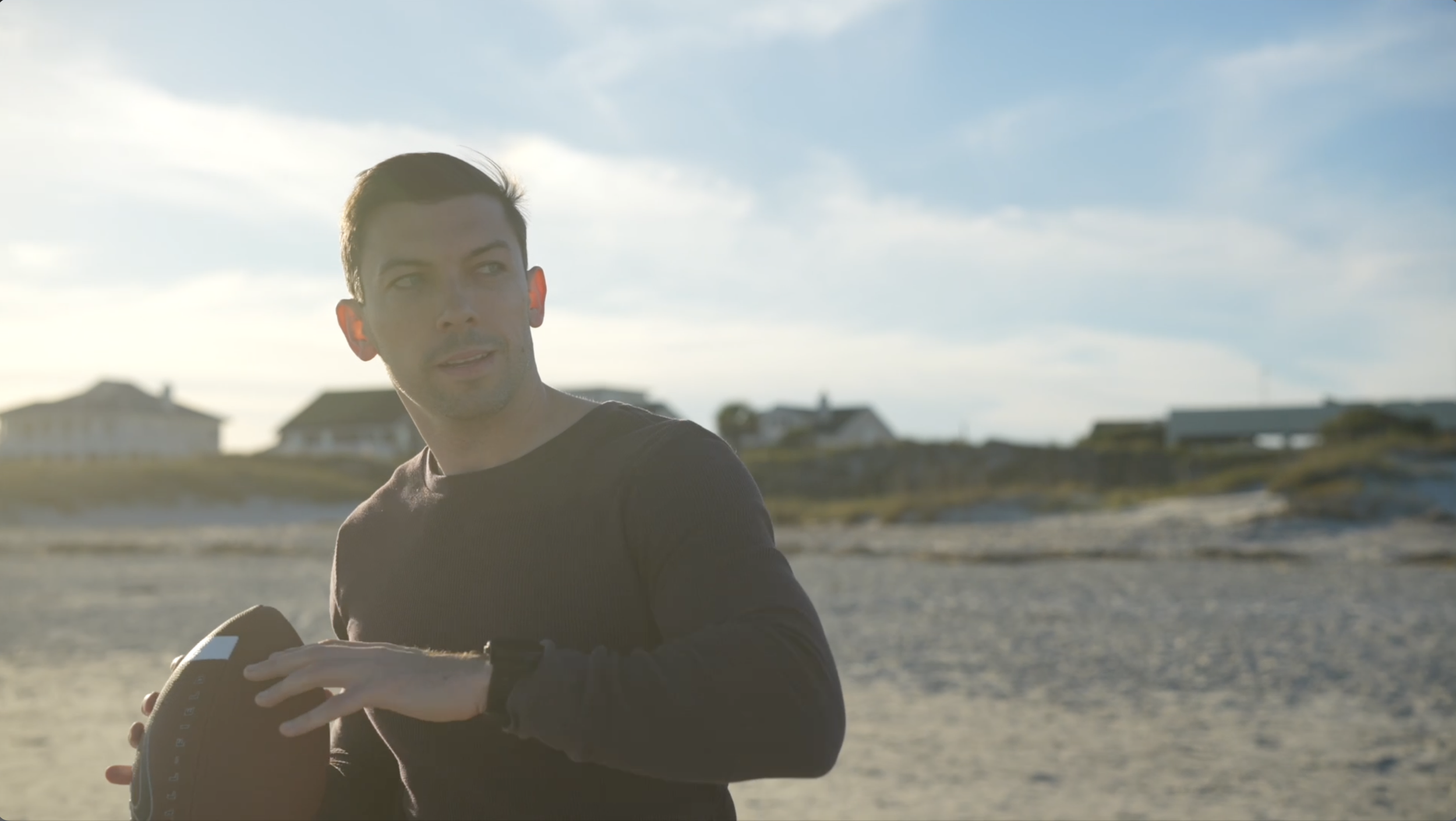
The concept was inspired by an award winning commercial from a major European airline. We took that creative DNA and rebuilt it specifically for ILM. We hired actors. We brought in local crew. We booked editors. This was a real production, with real people doing real work.
AI accounted for roughly 20 percent of the final spot, specifically the ending. It did not replace anyone. It filled a gap the budget could not cover.
Without that 20 percent, the project does not exist.
No actors booked. No crew hired. No edit. No spot.
That part of the AI conversation does not get talked about enough. Yes, there are real concerns about job displacement, and they deserve serious attention. But on this project, AI did the opposite. It made the work possible.
Then It Actually Aired During the Super Bowl
When we were shooting, we had no idea this would end up on the Super Bowl. The internal nickname was just motivation.
Then the media plan evolved.
The commercial we built on a bare bones budget aired during halftime of the biggest television event in America.
A regional airport in southeastern North Carolina.
A small production team in Wilmington.
A fraction of the spend big agencies drop without thinking.
And it ran during the Super Bowl.
“My second commercial and my first Super Bowl ad. Y’all talk about surreal.”
— Caribbean Cowgirl, actress in the ILM spot
The reaction was immediate. One of the actresses posted about seeing herself on TV during the game. Within 15 hours, the post cleared 900 likes and more than 200 comments. Local accounts started sharing it organically. Nobody was paid to hype it. People were just excited to see Wilmington show up on that stage.
[Add Instagram screenshots here]
What This Means for Businesses
The old model was simple and expensive.
Spend six figures to make the ad. Spend six figures to place it.
Most businesses never even got a seat at the table.
What this project proved is that the math has changed.
By using AI strategically, not as a replacement for creative professionals but as a targeted tool, we produced broadcast quality work while leaving room in the budget for what actually matters: distribution.
This was not about cutting corners. Every frame was intentional. The performances were real. The crew brought experience. The edit shaped the story. AI was one tool in the kit, not the kit itself.
Because production costs stayed reasonable, the client had budget left to put the ad in front of people. That is the real unlock. Not just making great content for less, but making great content and actually being able to run it.
A New Playbook
This did not come out of nowhere. Our earlier work with ILM already showed that authentic, well crafted content can outperform bloated campaigns. Organic reach consistently beat paid expectations.
This Super Bowl spot is the next chapter.
If you are watching the AI conversation and wondering whether it is a threat or an opportunity, this is our answer. On a single project in Wilmington, North Carolina, AI helped create jobs, not erase them. It enabled a real shoot with local talent. It gave a regional airport a moment on the biggest stage in advertising.
The barrier to world class creative is not budget anymore.
It is imagination.
We are just getting started.